What do the four Tarot suits mean?
The Minor Arcana is divided into four distinct suits, each representing an essential element of the human experience. Together, they map out the daily challenges, growth cycles, and lessons we encounter on our life journey.
Suit of Wands (Fire): Rules action, passion, spirituality, and creative ambition. It answers the question: What drives you?
Suit of Cups (Water): Rules emotions, relationships, intuition, and love. It answers the question: What do you feel?
Suit of Swords (Air): Rules the mind, intellect, truth, and psychological battles. It answers the question: What do you think?
Suit of Pentacles (Earth): Rules the material world, career, health, and foundations. It answers the question: What are you building?
One of the biggest challenges for new tarot readers is feeling like they need to memorize dozens of card meanings. Fortunately, tarot is much easier to learn when you understand the structure of the deck.
The Minor Arcana consists of 56 cards divided into four distinct suits: Wands, Cups, Swords, and Pentacles. Think of each suit as a different lens through which we experience life. Once you map these suits to everyday life, you will start recognizing patterns across the deck naturally. No flashcards required!
What Are the Four Tarot Suits?


The Suit of Wands is associated with the element of Fire and often relates to passion, inspiration, and taking action. In many esoteric traditions, Fire is considered an active or masculine element. Some decks may refer to this suit as Rods, Staves, or Batons.
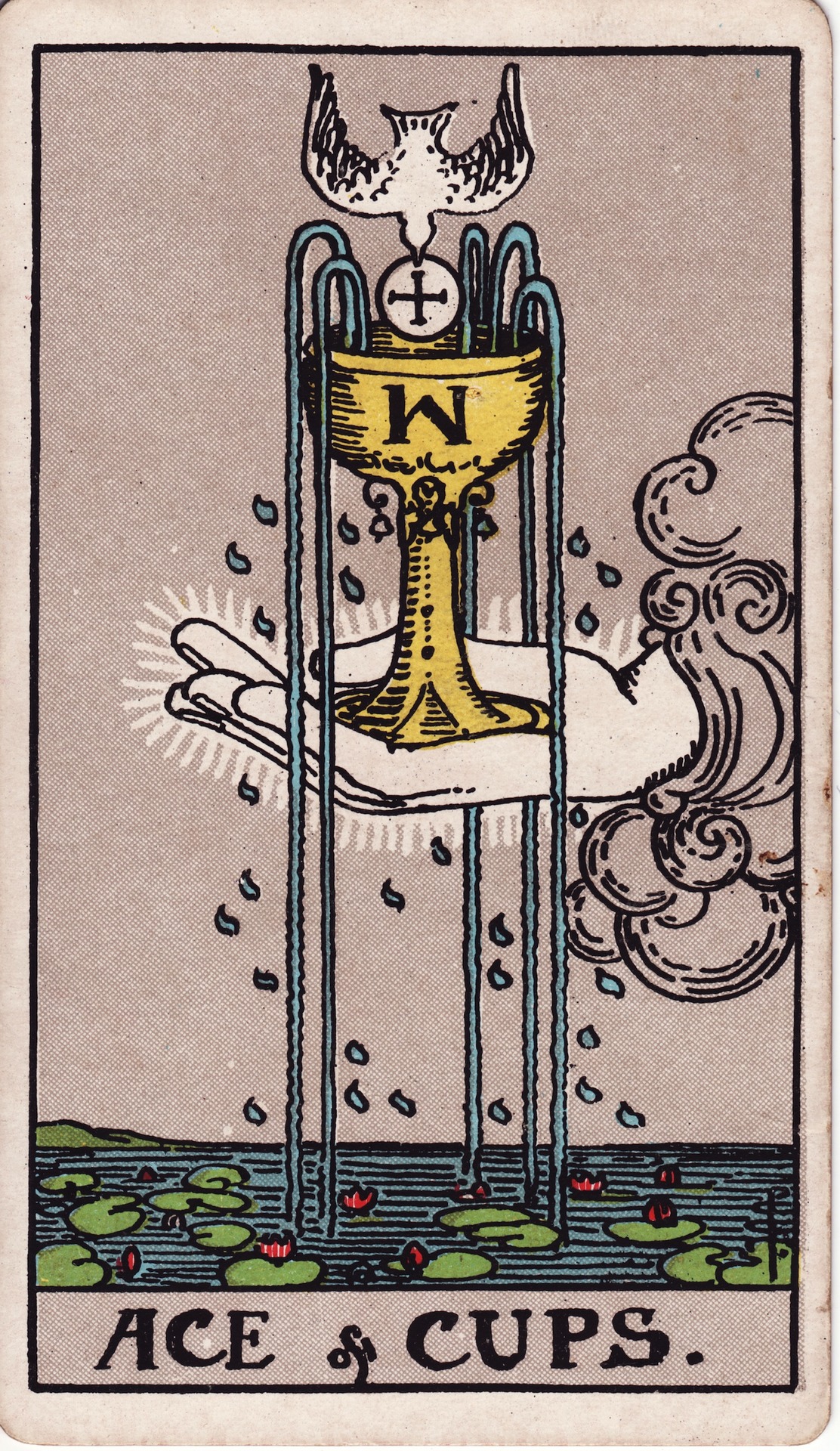
The Suit of Cups is associated with the element of Water and explores emotions, relationships, and intuition. Water is traditionally considered a receptive or feminine element. Some decks may call this suit Chalices, Vessels, or Cauldrons.
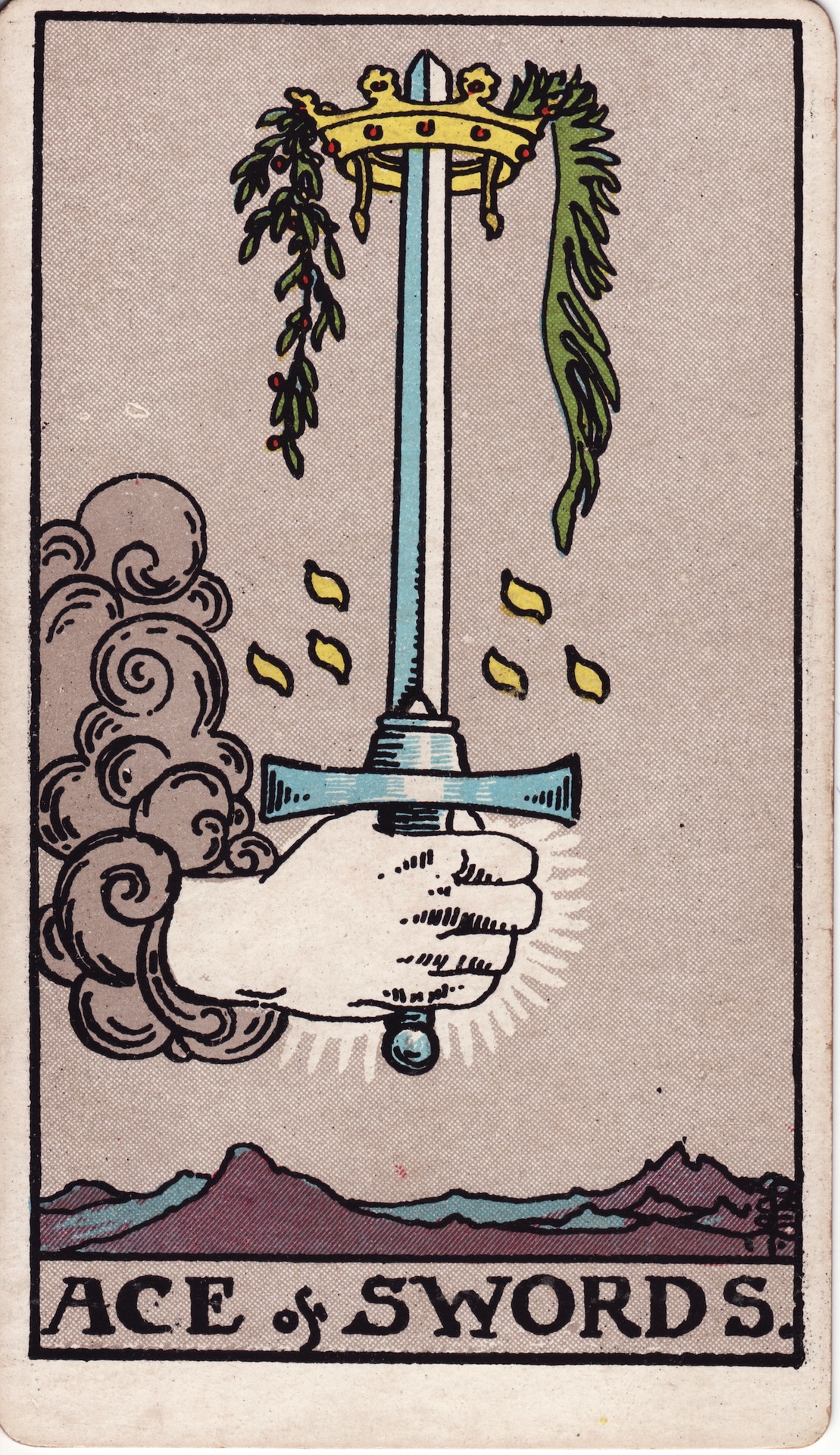
The Suit of Swords is associated with the element of Air and focuses on thoughts, communication, and perspective. Like Fire, Air is considered an active or masculine element. You might also see Swords referred to as Blades, Daggers, or Feathers.
The Suit of Pentacles is associated with the element of Earth and relates to work, finances, security, and the physical world. Earth is traditionally considered a receptive or feminine element. Depending on the deck, Pentacles may also appear as Coins, Disks, or Stones.
Together, these four suits form the foundation of the Minor Arcana and provide a framework for understanding the cards as a whole.
Is There a Certain Order to the Suits?
Many tarot traditions present the suits in the order of Wands, Cups, Swords, and Pentacles.
One way to understand this sequence is through their connection to the cardinal signs of the zodiac and the changing seasons. Wands correspond to Aries and the beginning of spring, Cups to Cancer and the fullness of summer, Swords to Libra and the transition into autumn, and Pentacles to Capricorn and the stillness of winter.
You may also encounter another perspective that sees the suits as the journey from inspiration to manifestation. First comes the spark of a creative idea (Wands). Then, you fall in love with the concept (Cups). Next, you analyze the logistics and solve problems (Swords). Finally, you put in the physical labor to build a tangible result (Pentacles).
Regardless of which framework you prefer, the order of the suits provides a useful way to understand how energy moves and develops within a reading.
How to Use Suits for Instant Insights
When you pull a card, don't look at the tiny details first. Zoom out. Look at the suit dominant in your spread to immediately identify where the energy of the situation sits.
If a client asks about a career change and the spread is flooded with Cups, the real issue isn't money, it's emotional fulfillment. If they ask about a relationship and see mostly Pentacles, the focus is likely on stability, shared resources, or building a home together. The suit gives you your baseline context before you even examine a card's number or specific imagery.
The Foundation of the Minor Arcana
The four suits form the foundation of the Minor Arcana and provide a roadmap for understanding the cards. Rather than memorizing dozens of individual meanings, begin by recognizing the themes associated with each suit. Over time, you'll start to see how the cards work together to tell a larger story about action, emotion, thought, and the physical world. As your understanding grows, the suits become less like categories and more like a language that helps you interpret the deeper message of a reading.
Continue With the Series
Now that you have a basic understanding of the four suits, let's take a closer look at each one individually.
Frequently Asked Questions
What do the four tarot suits represent?
The four suits represent different aspects of human experience. Wands relate to passion and action, Cups to emotions and relationships, Swords to thoughts and communication, and Pentacles to work, resources, and the physical world.
Are the Tarot Suits Masculine or Feminine?
In traditional Western esoteric systems, the tarot suits inherit the qualities of their corresponding elements.
Wands (Fire) and Swords (Air) are considered active or masculine suits. They tend to express energy outwardly through action, initiative, communication, and assertion.
Cups (Water) and Pentacles (Earth) are considered receptive or feminine suits. They process experience inwardly through emotion, intuition, reflection, nurturing, stability, and cultivation.
These terms do not refer to gender, biological sex, or personality traits. Instead, they describe complementary energetic principles that exist within everyone. Most tarot readings contain a blend of both active and receptive energies working together.
What is the easiest way to learn tarot suits?
Start by learning the basic themes associated with each suit and their corresponding elements. Over time, you'll begin to recognize patterns and relationships between the cards.
Which tarot suit is most important?
No suit is more important than another. Each represents a different aspect of life, and all four work together to tell the story unfolding within a reading.
What does it mean if a suit doesn't match the question being asked?
This is where the magic happens! If someone asks a purely financial question (expecting Pentacles) but the spread is full of Cups, the cards are telling you the root issue isn't money - it's emotional. They might be seeking validation, fear abandonment, or need a career that offers fulfillment rather than just a paycheck. Pay close attention to these "mismatches," because they reveal what’s truly going on beneath the surface.
Why does my deck have different names or elements for these suits?
While the Rider-Waite-Smith (RWS) system is the blueprint for most modern decks, tarot is a living art form. Authors often rename suits to fit a specific aesthetic (like using "Cauldrons" for a witchy deck or "Arrows" for a nature deck). Always check your deck's companion guidebook to see the specific rules its creator intended!
Are tarot suits similar to playing card suits?
Yes. The tarot suits are related to traditional playing card suits. Wands correspond roughly to Clubs, Cups to Hearts, Swords to Spades, and Pentacles to Diamonds. Tarot builds upon this familiar structure with additional symbolism and the 22 cards of the Major Arcana, which explore the larger themes, lessons, and turning points of the human journey.